In the world of music, live performances hold a special place – the energy, the rawness, and the connection between the band and the audience are unmatched. Live music also presents the greatest challenges for quality audio and video capture, but we know it’s worth the effort! This blog post will guide you through filming a live band music video using three cameras, ensuring you capture every beat and emotion.
1) Planning Your Live Band Video Recording
Before you start filming, planning is crucial. You need to understand the band’s style, their audience, and what they want to convey through their performance. Discuss with them any of their favourite performances or music videos for inspiration.
Next, scout the location beforehand. Understand its layout and identify potential camera positions. Consider lighting conditions, stage setup, and audience placement.
Finally, plan your shots. With three cameras at your disposal, it’s time to capture multiple angles simultaneously. Typically one camera should focus on wide shots capturing the entire stage while others can focus on individual band members or specific instruments, two cameras on tripods and one in the hand or on a gimbal can be really effective.
Setting Up Your Equipment
Now that you have your plan in place, let’s talk about setting up your equipment for live band video recording.
Camera 1: The Wide Shot
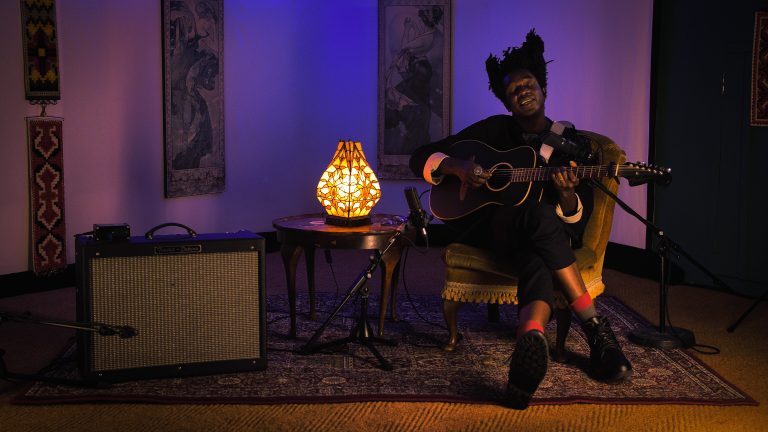
The first camera should be positioned at a distance from the stage to capture wide shots of the entire performance. This gives viewers a sense of space and context. A tripod is essential here to ensure stability throughout the performance.
Camera 2: The Medium Shot
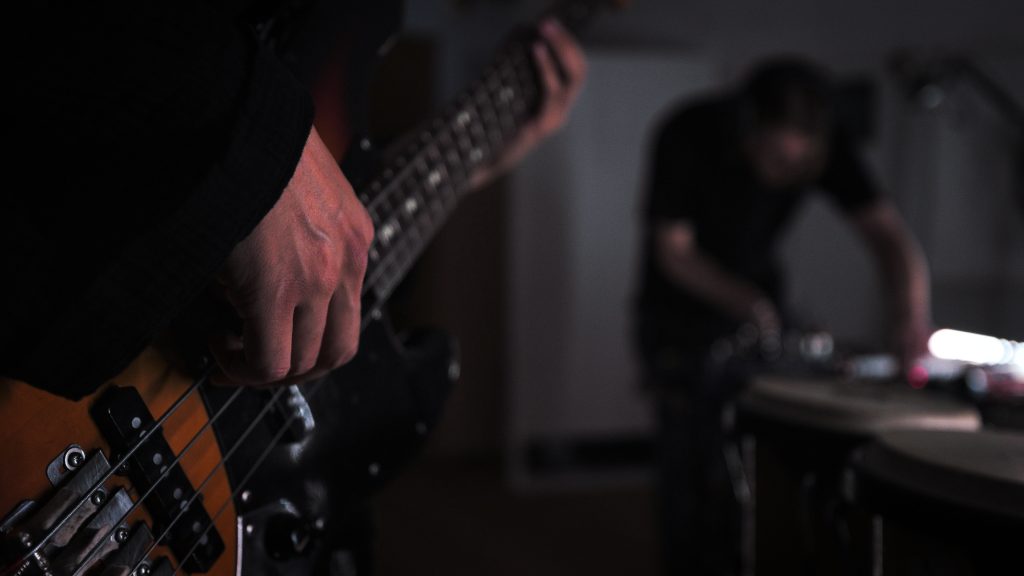
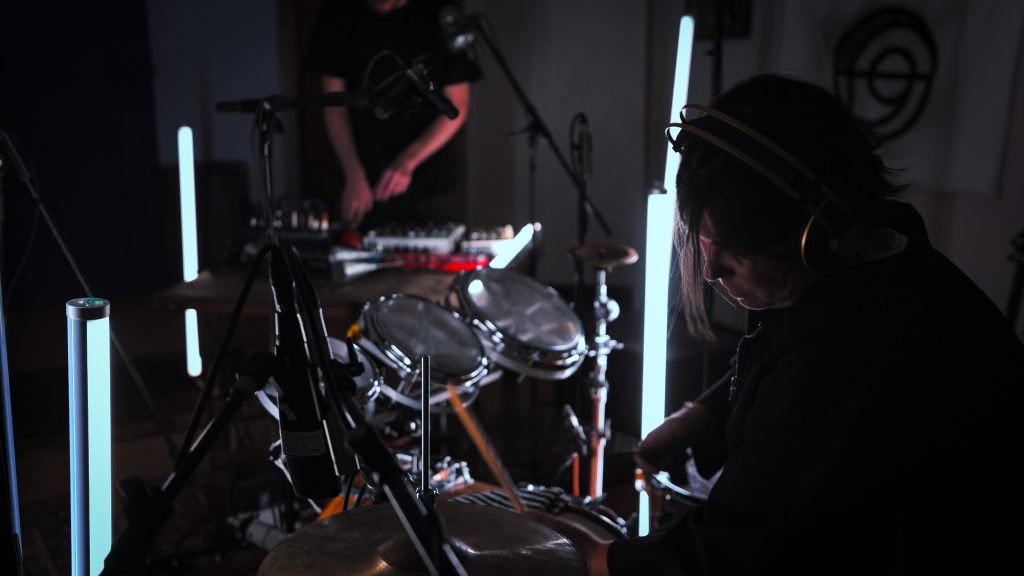
The second camera should be closer to the stage for medium shots focusing on individual performers or groups of performers. This could include shots of guitarists strumming away or drummers in action.
Camera 3: The Close-Up Shot
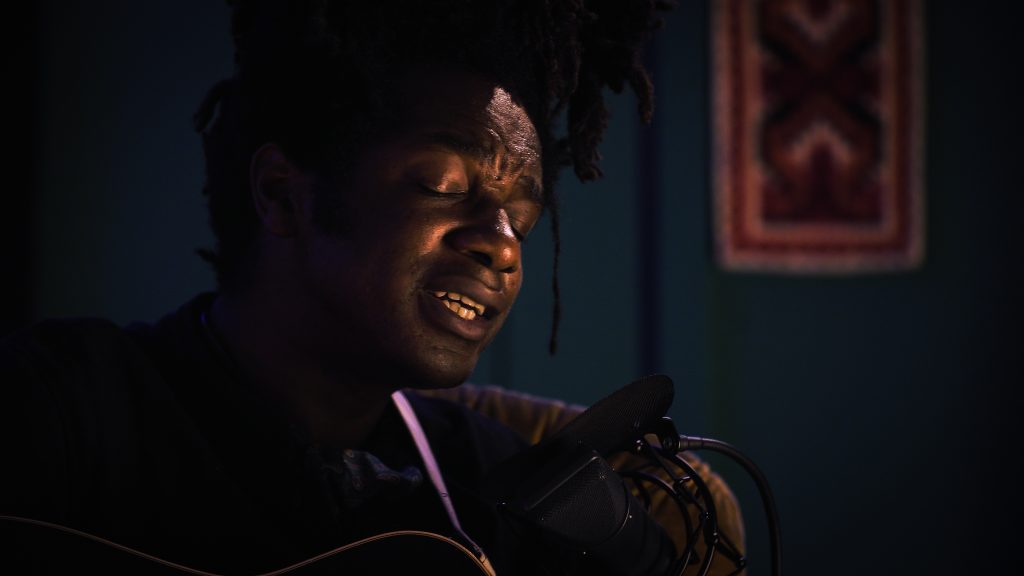
The third camera should be mobile – either handheld or on a gimbal for close-up shots and dynamic movements around performers during key moments in their performance. This camera can capture the emotion and intensity of the performers, making the video more engaging.
Remember to check all your equipment before the performance. Make sure your camera batteries are fully charged, and their replacements, have enough storage space on your SD Cards, and are set to the correct settings for optimal video quality – 4k if you’re in our studio!
Filming The Performance
With everything set up, it’s time to start filming. Communication is key here. If you’re working with a team, make sure everyone knows their role and what they need to capture.
During the performance, keep an eye on your framing and focus. Ensure that each camera is capturing its intended shots and adjust as necessary. Pay attention to key moments in the performance – a guitar solo or a high note from the vocalist – these are moments you’ll want to highlight in your video. Check the Holy Tongue session below to see how we highlight frame this unusual session to get the most out of the incredible performances.
Post-Production: Bringing It All Together
Once you’ve captured all the footage, it’s time for post-production. This is where you’ll edit your footage into a cohesive live session video.
Start by reviewing all your footage and selecting the best shots from each camera. Remember, variety is key – switch between wide shots, medium shots, and close-ups to keep viewers engaged – we find the audience love the intimacy of medium and close up shots, but don’t lose yourself in them as an editor – context is so valuable!
Next comes editing. Sync up your footage with the live audio track and start piecing together your video. Try to match cuts with the beat, changes in music or action on stage for a more dynamic result.
Finally, colour grade your footage for a consistent look across all three cameras and add any final touches like titles or effects.
Conclusion
Filming a live band music video can be an exciting project that allows you to capture raw performances in their purest form. With careful planning, strategic equipment setup, attentive filming techniques, and thoughtful post-production processes; you can create an engaging live band video recording that truly encapsulates the energy of live music performances.
Remember that practice makes perfect – so don’t be disheartened if your first few attempts aren’t perfect! Keep filming, keep learning, and keep creating. Keep an eye on our YouTube channel to see where we’re trying to take the form!


