In the world of music production, audio engineering, and performance, the terms “studio audio” and “live audio” are often used interchangeably. However, they represent two distinct approaches to sound creation and manipulation. Understanding the primary differences between studio and live audio can significantly impact how musicians, producers, and sound engineers approach their craft. This blog post will delve into these differences, focusing on aspects such as environment, equipment, techniques, and outcomes.

The Environment: Studio vs Live
One of the most significant differences between studio and live audio lies in the environment where each takes place.
Studio Environment
A studio is a controlled space specifically designed for recording music. It is equipped with soundproofing materials to minimise external noise interference. The acoustics in a studio are carefully engineered to ensure that sound waves are optimally managed. This allows for a clean capture of audio without unwanted echoes or reverberations.
In a studio setting, musicians often have the luxury of time. They can experiment with different sounds, layers, and arrangements without the pressure of an audience waiting for them to perform. This environment fosters creativity and allows artists to refine their work until they achieve their desired sound.

Live Environment
Conversely, live audio takes place in venues ranging from small clubs to large stadiums. These environments are often less controlled than studios; external noise can infiltrate performances, affecting sound quality. Additionally, live performances come with the unpredictability of audience interaction—cheers, claps, or even distractions can influence how a performance unfolds.
The atmosphere at a live event is electric; there’s an energy that cannot be replicated in a studio setting. Musicians feed off this energy from their audience which can lead to spontaneous moments during performances that may not happen in a more sterile studio environment.
Equipment: Tools of the Trade
The Universal Audio 710 Twin-Finity, a favourite of ours for processing vocals, for live sessions and post processing. Get in touch to learn more about recording or filming music at Arcus Sounds.
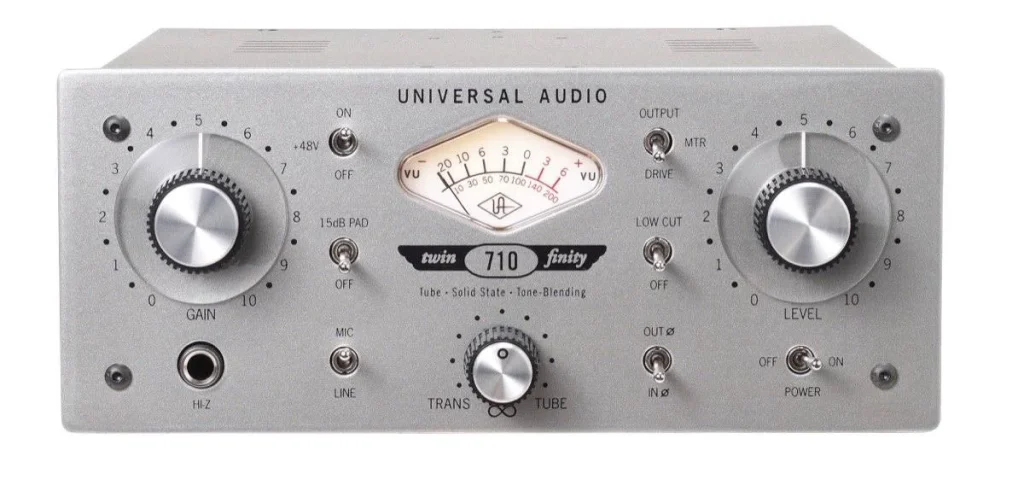
Versatile as the Twin-Finity is, the equipment used in studio versus live settings varies significantly.
Studio Equipment
In studios, high-end microphones and preamps are typically employed to capture pristine audio quality. Engineers often use multiple microphones on instruments to capture various tonal qualities—this allows for extensive post-production editing options later on.
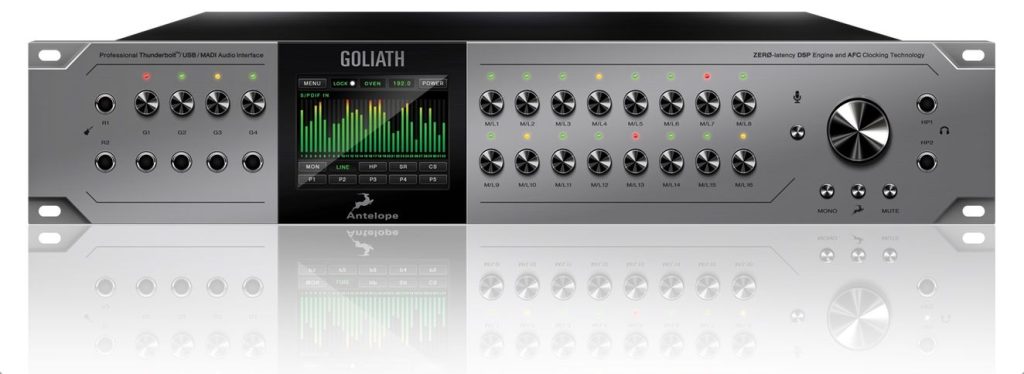
Digital Audio Workstations (DAWs) play a crucial role in studio recordings as well, and all of the above will meet and be processed by your Audio Interface, we use Antelope interfaces at Arcus Sounds, to compliment our pre-amp and mic selection, see more on our equipment page. A good quality interface provides the best engine for recording and for using the powerful tools for mixing and mastering tracks in your DAW. It will also give producers access to an array of plugins that simulate everything from vintage tape machines to modern synthesizers, but a studio can usually find space for some, or a lot, of analogue gear too.
Live Equipment
On the other hand, live audio setups focus on durability and ease of use under pressure. Sound engineers rely on robust mixing consoles designed for real-time adjustments during performances. Microphones used in live settings are often dynamic mics that can handle high sound pressure levels without distortion.
Additionally, monitors (speakers placed on stage) play an essential role in helping musicians hear themselves while performing—a necessity that differs from studio recordings where monitoring is done through headphones or control room speakers.
Techniques: Approaches to Sound
The techniques employed during recording sessions also differ greatly between studios and live performances.
Studio Techniques
In a studio setting, musicians may record parts separately—a process known as tracking—which allows for greater control over each element within a song. This method enables producers to layer sounds meticulously; they can adjust levels or effects after each track has been recorded without affecting others.
Editing is another crucial aspect of studio work; engineers spend hours perfecting every note or beat before finalising tracks for release. The ability to cut out mistakes or unwanted noise means that what listeners hear is often polished beyond what was initially performed.

Live Techniques
Live performances require different techniques altogether due to time constraints and audience expectations. Musicians must rely heavily on their rehearsal skills since there’s no opportunity for retakes once they step onto the stage—what you hear is what you get!
Sound engineers must be adept at making quick adjustments based on real-time feedback from both performers and audiences alike—balancing levels while ensuring clarity across all instruments becomes paramount during these sessions.
Outcomes: The Final Product
Finally, we arrive at one of the most critical differences: outcomes—the final product produced through either method varies considerably due primarily due its context-driven nature.
Studio Outcomes
Studio recordings tend towards perfectionism; artists aim for polished tracks ready for radio play or streaming services like Spotify or Apple Music where listeners expect high-quality production values reflecting industry standards today!
These recordings allow room for experimentation with effects such as reverb or delay which may not translate well into live settings but enhance overall listening experiences when played back through headphones or speakers at home!
Live Outcomes
In contrast—the outcome from a live performance captures raw emotion! Audiences crave authenticity—they want something unique that cannot be replicated elsewhere! Each show offers its own interpretation based upon factors like venue acoustics & performer energy levels creating unforgettable moments shared only by those present!
Conclusion
Understanding these fundamental differences between studio audio & live audio helps artists navigate their creative processes more effectively. Whether you’re preparing for an intimate live studio session or gearing up for your next big concert—recognising how each approach influences your work will ultimately shape your artistic journey! Embrace both worlds—they offer invaluable experiences worth exploring!
At Arcus Sounds, we’re experts in threading the needle between the two, Studio Quality Live Sessions are what we do. Reach out for more info, or check our YouTube channel to see our work!