Introduction
The music industry is a dynamic world that evolves through technological advancements and creativity. Although live track recording was once the only way to record music, it’s becoming rarer as a preference for the control and precision of multi-tracked recordings has led to studios that are both smaller – so less able – and less prepared, to run sessions this way. The technique is seeing a resurgence, as musician and audience return to the raw energy of live band recordings. At Arcus Sounds, we bring you live music of all kinds, so we’re keeping the art alive!
But what exactly is live track recording? How does it differ from other recording methods? And why should you consider it for your next project? Let’s delve into these questions and more.
Understanding Live Track Recording
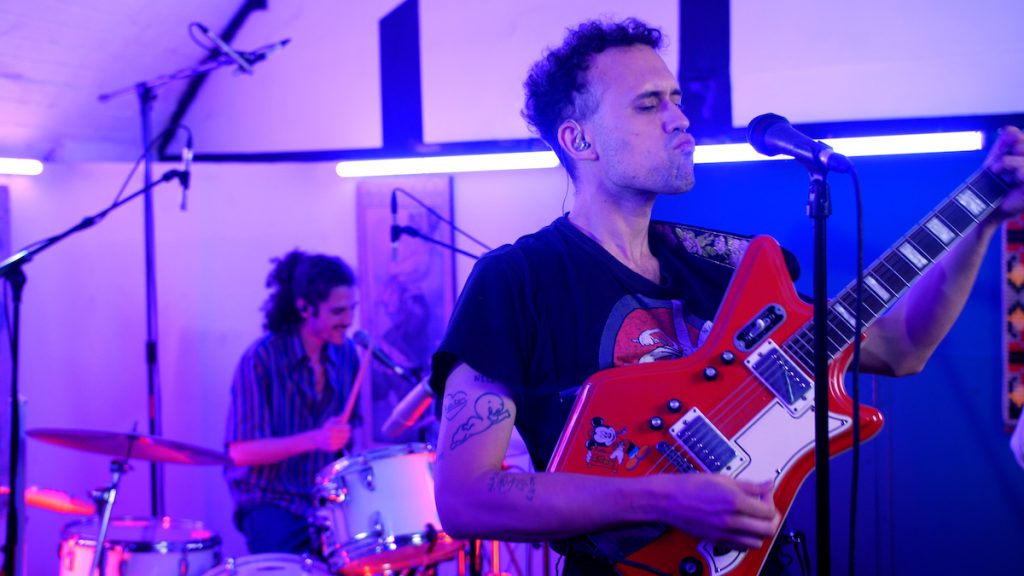
Live track recording, also known as live tracking, refers to a method of recording where all musicians and vocalists perform simultaneously in a recording studio. Unlike multi-track recording where each instrument or vocal part is recorded separately and then mixed together, live tracking captures the performance as it happens in real-time.
This method aims to capture the energy, interaction, and spontaneity of a live performance while still maintaining the sound quality control provided by a professional studio environment. It’s like having the best of both worlds – the raw power of a live gig combined with the technical precision of studio production.
Why Choose Live Track Recording?
- Capturing Authenticity: Live tracking allows musicians to feed off each other’s energy and creativity during the performance, resulting in a more authentic and organic sound that can be difficult to achieve with multi-track recording.
- Time-Efficient: Since all parts are recorded simultaneously, this method can save significant time compared to multi-tracking where each part needs to be recorded individually.
- Cost-Effective: Given its time efficiency, live tracking can also be more cost-effective as it reduces studio time. This is actually a big reason we advise artists to use Live Sessions to support their career, capture audio and video in one day, enough for an EP and Socials in one go.
- Emphasizes Musicianship: Since there’s little room for post-production tweaks, this method requires high levels of musicianship as every note counts!
The Role of The Recording Studio in Live Tracking
The recording studio plays a crucial role in live track recording. It provides the controlled environment necessary for capturing high-quality sound while allowing the musicians to perform together. The studio’s layout, acoustics, and equipment all contribute to the final sound of the recording.
A well-designed studio will have an approach that enables separation of sound sources, allowing for isolation if needed, this could be panels and screens that adjust the acoustics of the room, or even separate rooms and booths for each instrument. The control room houses the mixing console and other equipment where the engineer can monitor and adjust levels during the recording process, and in particular they can easily monitor spill, the term used for (unwanted) sound captured by a microphone intended for a different source (eg. there’s spill from the drums on the vocal mic).
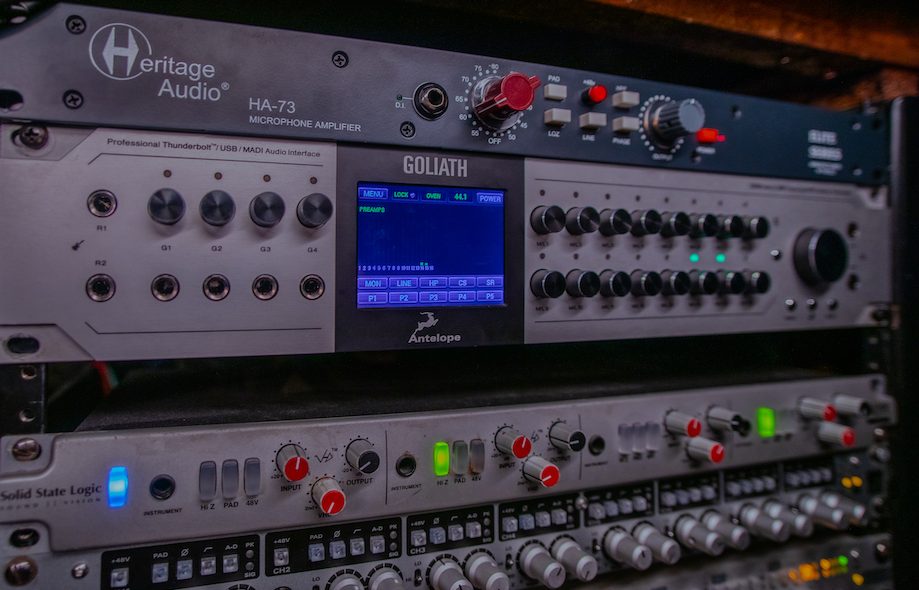
Moreover, a professional studio will have high-quality microphones, preamps, and other gear to ensure that every detail of the performance is captured accurately.
Even with all the equipment, the most important factor is the engineer who designs the recording setup, a precision microphone at the wrong angle will still capture spill, and without a monitoring setup that facilitates the musicians playing without ruining the recording. Studio equipment is important, experience in using it for the delicate task of live track recording is far more important.
Making The Most Out Of Live Band Recording
If you’re considering live track recording for your band, here are some tips to make the most out of your session:
- Rehearse: Since there’s little room for error during live tracking, make sure your band is well-rehearsed before entering the studio.
- Communicate: Good communication between band members is crucial during live tracking. Make sure everyone knows their parts and cues.
- Work with a Professional: A skilled engineer makes the biggest difference in capturing a great live track recording. They can guide you through the process and help you achieve your desired sound.
Conclusion
Live track recording offers a unique approach to capturing music that emphasizes authenticity and musicianship. While it may not be suitable for all types of music or all artists, it’s certainly worth considering if you’re looking to capture the energy and spontaneity of a live performance in your recordings.
Remember that like any other method, successful live tracking requires preparation, communication, and collaboration between all parties involved – from the musicians to the engineer. So whether you’re an established band or an upcoming artist looking to record your next hit, why not give live track recording a try? You might just discover it’s exactly what you’ve been looking for.
Remember that while technology has made it easier than ever to record live performances, you’ll still get your best results at a quality studio with an experienced team, get in touch to hear how we can support your live session dreams down in East London. Happy recording!
Don’t forget to check out our signature series, The Sounder Sessions, to see the results we get here!
Ps. Legal Considerations in Live Session Recording
Before you hit that record button during your favourite band’s concert, it’s crucial to understand the legal implications involved in recording live performances.
Firstly, copyright laws protect most performances. This means that without explicit permission from the copyright holder (usually the performer or their management), it’s illegal to record their work for any purpose other than personal use. Even then, some venues have strict policies against any form of recording due to contractual obligations with performers or broadcast rights holders.
If you’re planning on distributing your recordings commercially (or even sharing them on social media), obtaining proper permissions becomes even more critical. Violating copyright laws can lead to hefty fines and potential legal action.
Always worth ensuring you’ve obtained all necessary permissions before embarking on any live session recording project. Have a great session!